
About
Neev Kodarapu
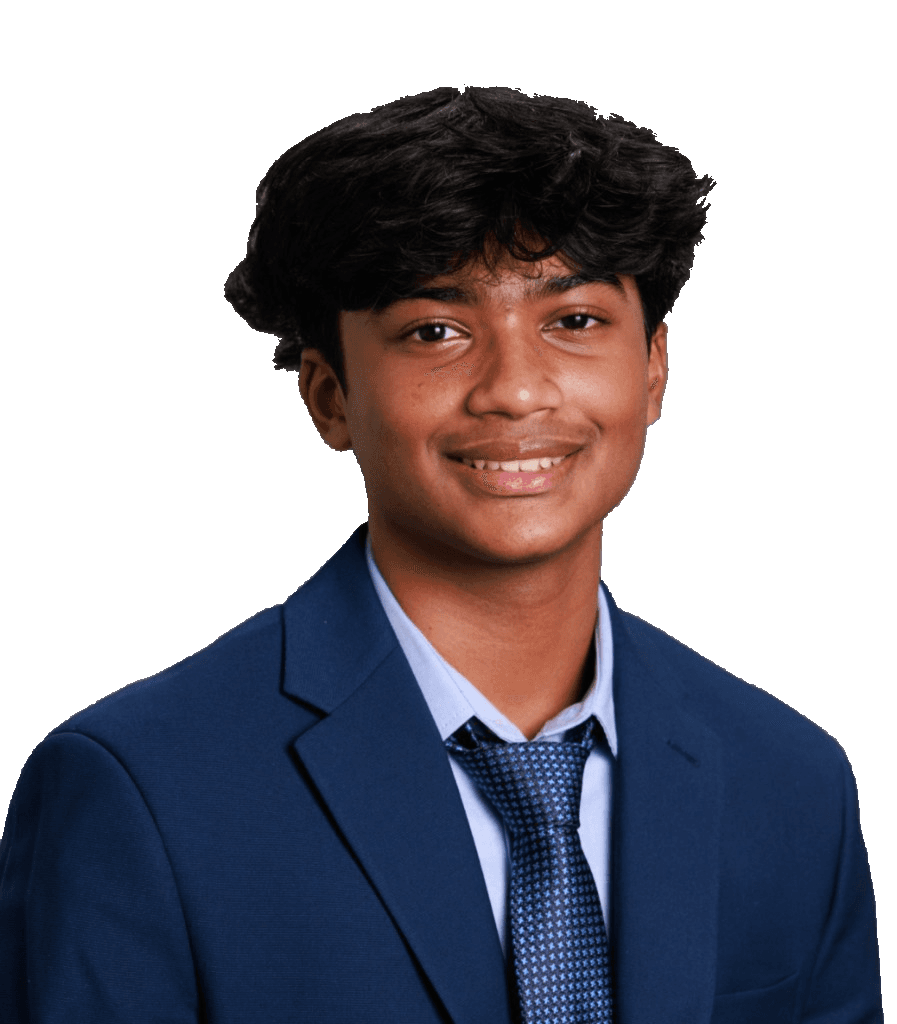
I’m Neev, a high school student in Oregon who likes robotics, chess, coding, and figuring out why things don’t work.
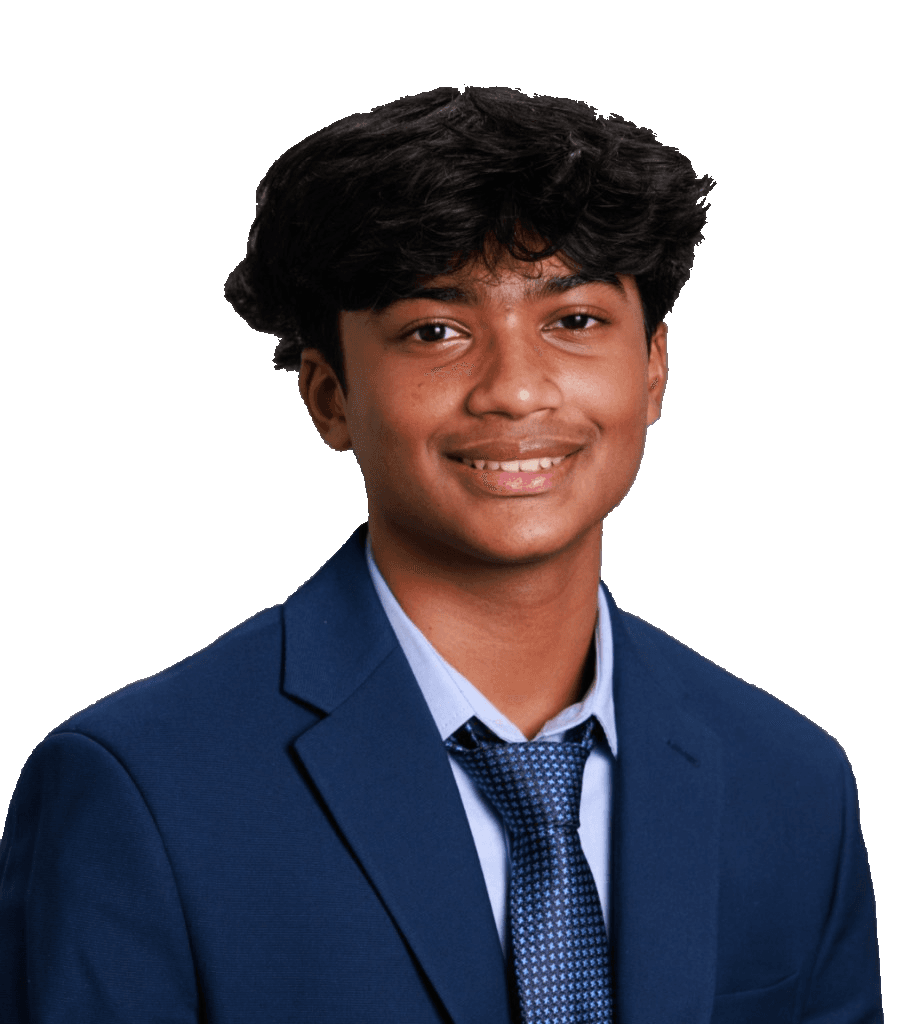
I’m Neev Kodarapu, a high school student in Oregon. I like robotics, chess, coding, building things, and figuring out why things don’t work.
- robotics
- chess
- coding
- building things
- figuring out why things don’t work
- BuildStart with a version that can be tested.
- TestSee what breaks, and what someone else notices.
- ChangeKeep the part that worked. Drop the part that did not.
- Try againThe next version is the point of the story.
Robotics
I started LEGO robotics in second grade and continued through middle school, competing in FIRST LEGO League (FLL). One of my most memorable seasons was 2022–2023, when I was part of LEGO Legends, Team #56120. I worked with my teammates to design and improve robots, build attachments, and solve competition challenges. We divided robot missions into two groups based on which side of the board they started from, then rotated responsibilities like coding, building, testing, and debugging. I also worked on our solar-panel innovation project, where we explored ways to make solar panels follow the sun to generate more electricity. We researched different designs, spoke with experts, and kept improving our model. What I enjoyed most wasn’t just building robots. It was experimenting with ideas, figuring out why something failed, and working with teammates who approached problems differently. We didn’t have one permanent leader. Everyone had opportunities to step up, and I learned that some of the best ideas come from working together.
Chess
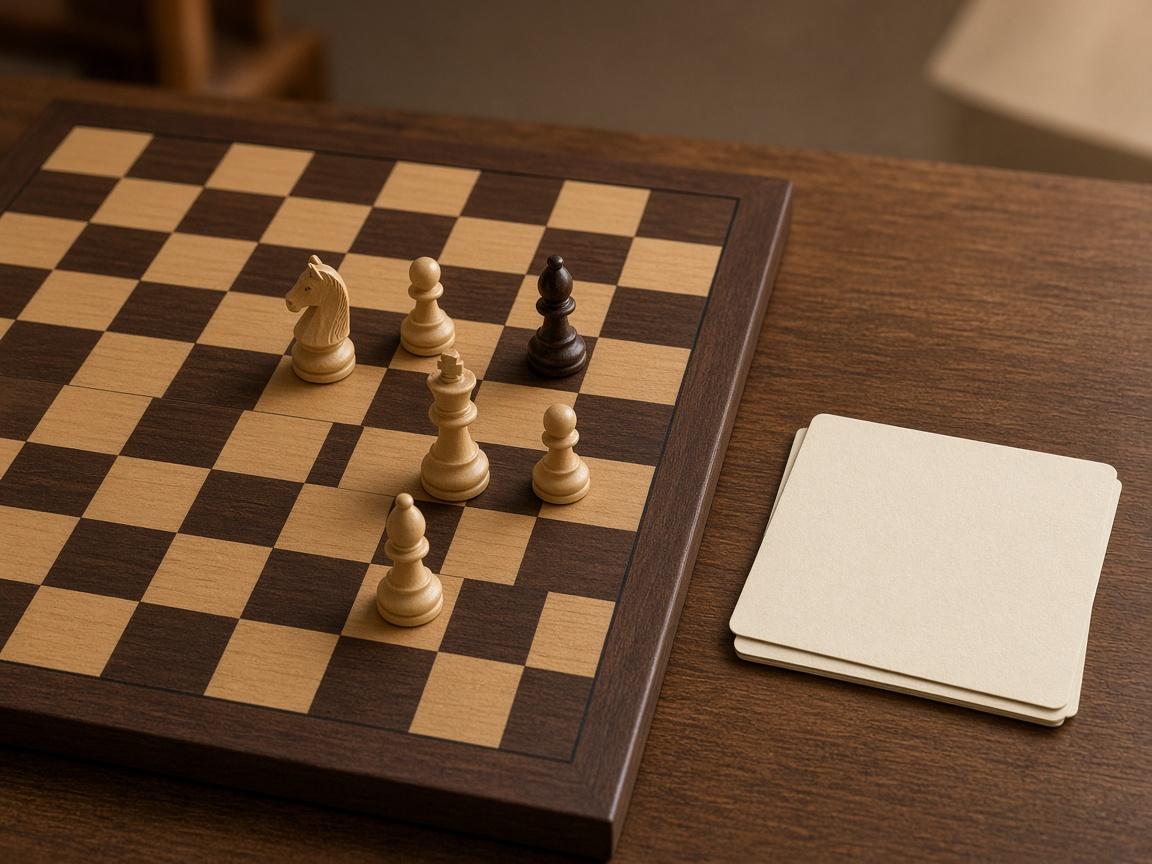
I first got into chess when I tagged along to one of my older brother Ishaan’s tournaments. What started as a way to pass the time turned into something I genuinely loved. Over the years, I’ve played in rated tournaments, spent countless hours solving puzzles, analyzed games, and learned from both wins and frustrating losses. Chess taught me to slow down, think ahead, and understand why a move worked instead of just memorizing the right answer. Eventually, chess became more than a game I played. I started coaching younger students and helping organize tournaments through our nonprofit chess organization. That gave me a completely different perspective. I wasn’t just thinking about my next move anymore. I was thinking about how to help someone else find theirs. I’m still learning, and that’s what keeps chess interesting to me. There’s always another position to understand, another mistake to learn from, and another way to improve.
Coaching
When I first started coaching chess, I thought being a good player would automatically make me a good teacher. I quickly realized that wasn’t true. I’ve helped coach over 300 kids through our nonprofit chess organization, including students with ADHD and autism. One time, I was teaching students about forks in chess, where one piece attacks two or more pieces at once. Some students just weren’t getting it, no matter how I explained it. So I tried something different. I pulled up a picture of an actual fork and pointed to its metal prongs. I explained how a fork could pick up multiple pieces of food, just like a chess piece could attack multiple pieces on the board. Suddenly, the idea became much easier to picture. That moment changed how I approached coaching. I realized that explaining something correctly isn’t always the same as explaining it clearly. Sometimes you need to forget the complicated chess language and connect an idea to something students already understand. It’s also one of the reasons I’m building My Next Move Coach, an AI-powered chess coaching app that helps students discover answers instead of simply giving them away. Coaching has taught me that being a good teacher isn’t about how much you know. It’s about finding a way to help someone else understand.
Nonprofit work
I co-founded a youth-led nonprofit chess organization with my brother Ishaan and two other young chess players. What started as a small idea in 2021 has grown into a community that teaches hundreds of students and organizes chess tournaments throughout the year. I’ve helped coach students, organize training programs, and support large chess tournaments with over 100 players. One of my favorite parts is seeing everything come together on tournament day, from helping players find their boards to watching beginners compete in their first tournament. But running events isn’t always easy. There are last-minute problems, confused players, scheduling challenges, and plenty of things that don’t go according to plan. I’ve learned how important it is to communicate clearly, stay calm, and work with volunteers to solve problems. The biggest lesson I’ve learned is that leadership isn’t about doing everything yourself. It’s about helping a team work together to create something bigger than any one person could build.
The book
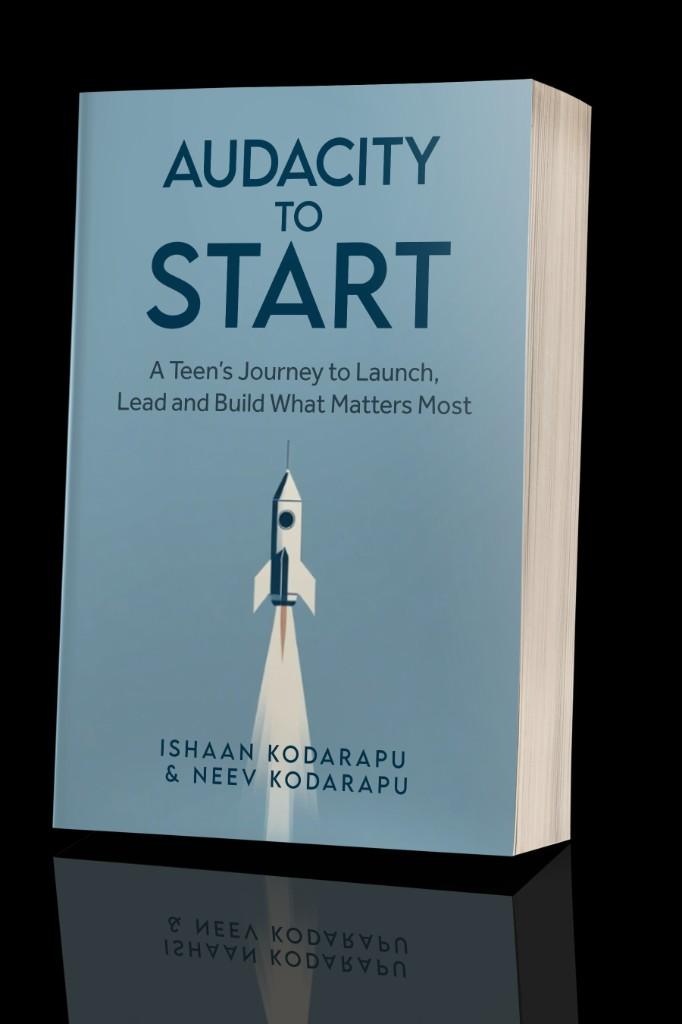
I co-wrote Audacity to Start with my brother, Ishaan. What I want this site to show is what that taught me about collaboration and disagreement. The book page has the longer note.
Coding and making
I’ve always enjoyed building things, whether it’s LEGO robots, small coding projects, or experimenting with new technology. One project I’m especially excited about is My Next Move Coach, an AI-powered chess coaching app that I’m building with my brother, Ishaan. After years of teaching chess, I noticed that students often learn more when they’re guided toward an answer instead of being told exactly what to do. That inspired us to explore whether AI could act more like a real chess coach. Instead of simply revealing the best move, our app asks questions, gives hints, and encourages students to think through the position themselves. Building it has pushed me to learn more about Python, AI, and how software can adapt to different users. It has also taught me that getting an app to work is only half the challenge. Making it genuinely useful for someone else is much harder. What I enjoy most about coding is the freedom to experiment. I can start with an idea, build a rough version, discover something that doesn’t work, and keep improving it until I’m happy with the result.
What I’m exploring
Lately, I’ve been getting more interested in artificial intelligence, coding, and how technology can help people learn in different ways. I’m especially curious about how AI can guide someone’s thinking without simply giving them the answer. I also enjoy experimenting with new ideas, building things with LEGO, solving coding challenges, and biking. Sometimes I’ll spend hours trying to figure out why something isn’t working, only to realize the solution was much simpler than I expected. One question I’ve been thinking about is what makes people actually learn something. Is it practice? Feedback? Making mistakes? Or having someone explain an idea in a completely different way? I don’t have all the answers, but that’s part of what makes exploring these ideas fun.