
Dividing a Robotics Problem Six Ways
Six teammates, one robot, and a competition deadline. We learned that dividing up the work was easy. Getting everything to work together was the real challenge.
Why it mattered
During the 2023–2024 FIRST LEGO League MASTERPIECE season, I was part of LEGO Legends, Team #56120. We had to design, build, and program a LEGO SPIKE Prime robot to complete different missions on a competition board. Each mission required a different strategy, and we had only two and a half minutes per round to score as many points as possible. We couldn’t afford to have everyone working on the same problem all the time. We needed a way to divide the work without losing track of the bigger picture.
Context
- When
- 2023–2024
- Role
- I helped organize how our team worked on robot missions. Based on our schedules, we divided ourselves into two groups. One worked on missions starting from the left side of the board, and the other focused on missions starting from the right. Within each group, we rotated responsibilities like coding, building attachments, testing missions, observing what happened, and debugging. I wasn’t the team’s permanent leader. We tried to give everyone opportunities to contribute and learn different skills.
- Constraints
- We were preparing for FIRST LEGO League competitions during the 2023–2024 season. Our robot had to complete missions on a fixed competition board within a 2-minute, 30-second round. We had limited practice time, different school and family schedules, and one shared robot that everyone needed to work with.
- Collaborators
Matthew, Dhruv, Parth, Anay, Krish
I worked with my teammates on our robot design, programming, attachments, and competition strategy. We divided the missions into two groups and rotated responsibilities so everyone could contribute to different parts of the project.
Our coaches and parents also supported us throughout the season.
First attempt
At first, we divided our team into two smaller groups based on the starting positions of the missions. One group handled the left side of the board. The other handled the right. That let us work on different challenges at the same time instead of having six people crowding around one robot.
We also rotated jobs so everyone could try coding, building, testing, and debugging rather than getting stuck doing only one thing.
Each group focused on its assigned missions, experimented with attachments, movement paths, and programming, then tested what failed and adjusted.
What went wrong
Dividing the missions did not mean the two groups could work completely independently. We still had one robot, and changes to its design or attachments could affect other missions.
It wasn’t enough for one group to create a successful mission. We needed a robot that could complete multiple missions reliably. We had to think about how everything would work together during the final competition run.
So we focused more on reusable attachments and improving the robot as a complete system. It eventually used four motors: two large motors for movement and two medium motors for powered attachments. We also developed quick-change attachments, including lift arms, a motor spin attachment, and a claw for transporting objects.
Instead of only asking whether an individual mission worked, we started thinking about how quickly we could switch attachments and how reliably the robot could repeat its movements.
How it changed
Version 1
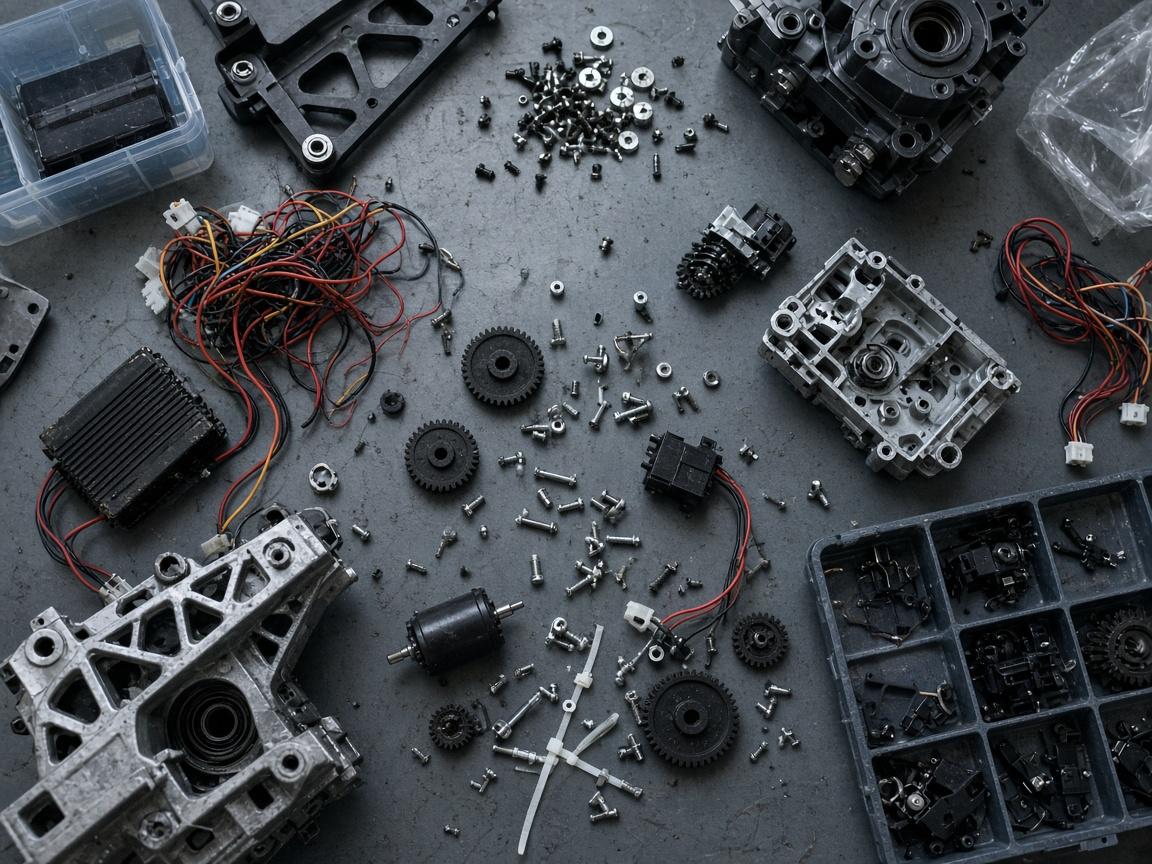
Sample photo. Replace with a real one. We split into two groups by the left and right sides of the board, and rotated coding, building, testing, and debugging.
Version 2
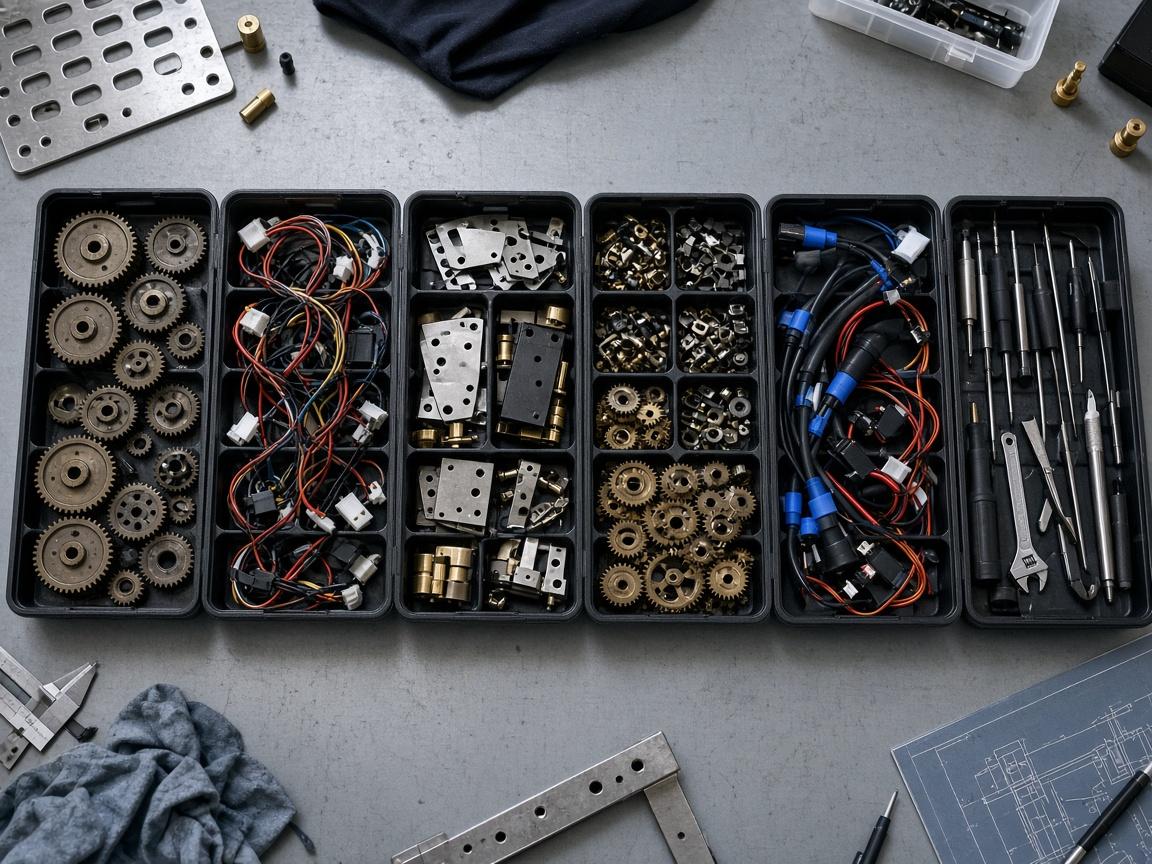
Sample photo. Replace with a real one. The split was not independent. We still had one robot, and a change to an attachment could break another mission.
Version 3
Sample photo. Replace with a real one. We shifted to reusable attachments and the robot as a system: four motors, quick-change tools, and whether the whole run could be repeated.
What changed my mind
What I thought
If we divided the work evenly, everything would come together automatically.
What I learned
Dividing a problem is only the first step. You still need communication, testing, and teamwork to bring the pieces together.
Result
By competition time, we had a SPIKE Prime robot with four motors and several attachments designed to complete different missions. We also prepared explanations of our design, programming strategy, and how we improved the robot through testing.
Not every idea worked on the first try, but each failed test gave us something useful to change.
Six people don’t automatically make a project six times faster. What matters is how you divide the problem, communicate with each other, and bring everyone’s work together.
What I learned
- Breaking a big problem into smaller parts helped us move faster, but dividing the work is not the same as dividing the responsibility. We still needed to communicate, share discoveries, and make decisions together.
- Rotating coding, building, testing, and debugging made the start slower, but it helped everyone understand the robot and contribute from different perspectives.
- Six people don’t automatically make a project six times faster. Teamwork is making sure all those parts actually work together.
Next version
If I did this again, I’d have each group document its code, attachments, test results, and problems as it worked, so another teammate could pick up a task without a full explanation. I’d schedule more full-team testing earlier, keep a shared checklist of which missions worked and which changes affected other parts of the robot, and spend enough time combining everyone’s work instead of waiting until the end.