
A Chess Coaching Experiment
I tried teaching a chess concept the normal way. When some students didn’t understand it, I used a picture of a kitchen fork to explain it differently.
Why it mattered
I’ve spent years playing chess and helping coach younger students through our nonprofit chess organization. When I first started coaching, I assumed that if I understood a chess concept well enough, I’d be able to explain it to someone else. Teaching turned out to be much harder than I expected. Sometimes I’d explain a concept that seemed obvious to me, only to realize that some students were still confused. I wanted to figure out how to make complicated chess ideas easier for beginners to understand.
Context
- Role
- I was the chess coach responsible for explaining concepts, answering questions, and helping students understand positions on the board. I had to figure out how to explain things in a way that made sense to students with different skill levels and learning styles.
- Constraints
- I was teaching younger chess students through our nonprofit’s training program. Some were beginners still learning basic tactics, while others had more experience. I couldn’t assume that everyone understood chess terminology or could picture an idea just because I explained it.
- Collaborators
My chess students, Our nonprofit coaching community
This experiment came from my experience coaching younger chess students. Their questions and confusion pushed me to rethink how I explained concepts.
I’m grateful to the students I’ve coached because they’ve taught me just as much about teaching as I’ve taught them about chess.
First attempt
One day I was teaching a lesson about forks. In chess, a fork happens when one piece attacks two or more enemy pieces at the same time.
I explained the concept using chess terminology and examples on the board. Some students still didn’t understand what I meant. I tried explaining it again, then realized that repeating the definition wasn’t helping.
What went wrong
Playing chess and teaching chess are different problems. I already knew how forks worked, so the technical explanation felt obvious. I hadn’t considered how confusing it could be for someone learning it for the first time.
Instead of showing another chess position, I pulled up a picture of an actual kitchen fork. I pointed to the metal prongs and explained how a fork can pick up multiple pieces of food. Then I asked the students to imagine a chess piece acting like that fork: one piece attacking more than one piece on the board.
It was a much simpler way to picture the concept. After that session I started thinking about examples students would already recognize, and I paid more attention to whether they actually understood something rather than assuming they did because I had finished explaining it.
How it changed
Version 1
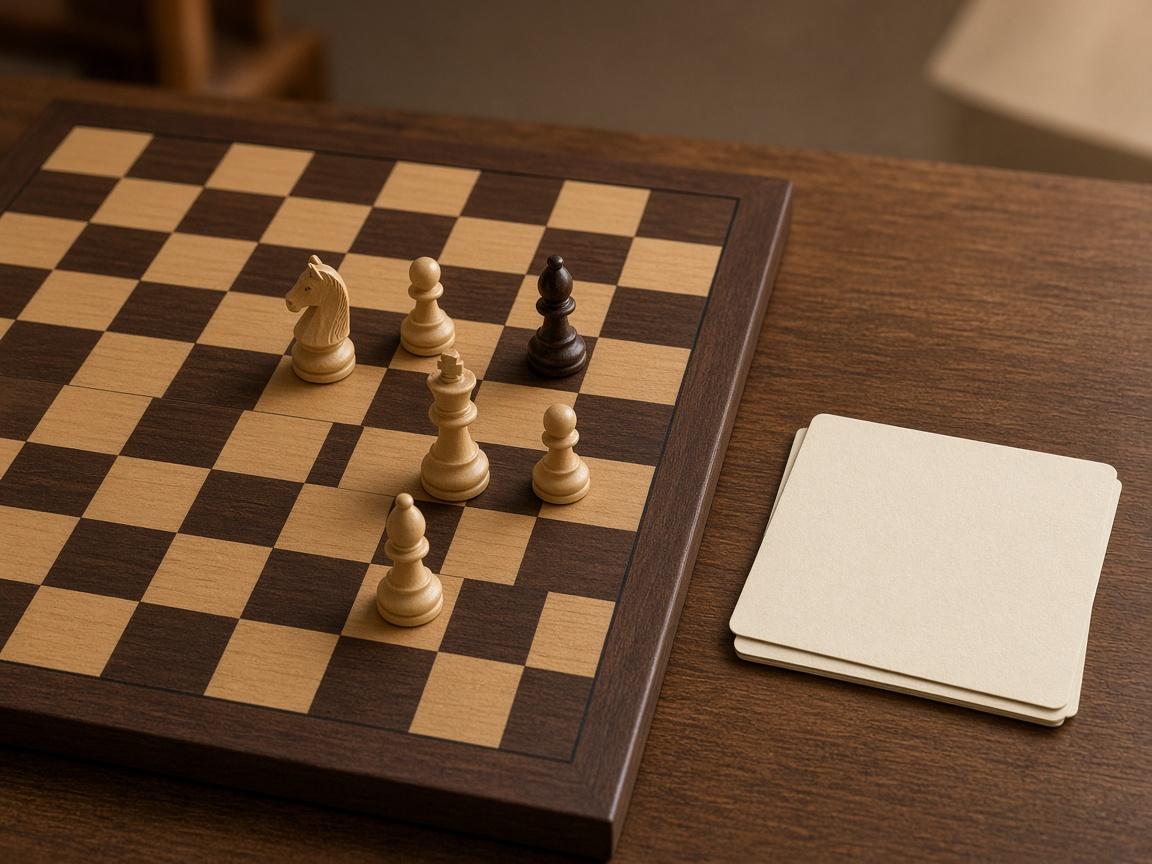
Sample photo. Replace with a real one. I defined a fork, showed a position on the board, and explained the tactic in chess language. It made sense to me. It did not make sense to everyone.
Version 2
Sample photo. Replace with a real one. I pulled up a picture of a kitchen fork and used its prongs to show how one piece can attack two at once.
Version 3
Sample photo. Replace with a real one. The bigger change was becoming more flexible: connecting new ideas to what students already know, and asking more questions instead of giving the answer.
What changed my mind
What I thought
If I understood a chess concept and explained it correctly, students would understand it too.
What I learned
A good explanation isn’t necessarily the most technical one. It’s the one that helps the student actually understand.
Result
The bigger change wasn’t just using a picture. It was realizing I needed to be more flexible as a coach: start with what students already know, treat confusion as feedback, and ask more questions instead of immediately giving the answer.
Experiences like this influenced My Next Move Coach, an AI-powered chess coaching app I’m building with my brother, Ishaan. One of our goals is to help students discover good moves through questions and hints rather than simply telling them the answer. Students don’t always need more information. Sometimes they need a different explanation, or a question that helps them think.
Playing chess is about finding the best move for yourself. Coaching is about figuring out how someone else thinks and helping them discover the move on their own. Sometimes that means analyzing a complicated position. And sometimes it means showing students a picture of a kitchen fork.
What I learned
- Everyday examples can explain complicated ideas better than technical definitions. The kitchen fork worked because it connected something unfamiliar to something students had already seen.
- When students don’t understand something, the explanation itself may need to change. Confusion is feedback about how I’m teaching, not only about how someone else is learning.
- Being good at chess doesn’t automatically make you a good chess teacher. Playing is finding the best move for yourself. Coaching is helping someone else discover it.
Next version
Next time, I’d introduce the real-life analogy earlier, then show how it connects to an actual chess position, and ask students to find a fork on the board themselves. I’d also like to compare traditional chess examples with everyday analogies, then give both groups similar puzzles to see which approach helped them remember the concept. Interactive visual examples that let students discover tactics, rather than only watch an explanation, are the next experiment I want to try.