
Things I learned · robotics

Six People, One Robotics Problem

Dividing a robotics project between six teammates sounded simple. But we learned that splitting up the work was only half the challenge.
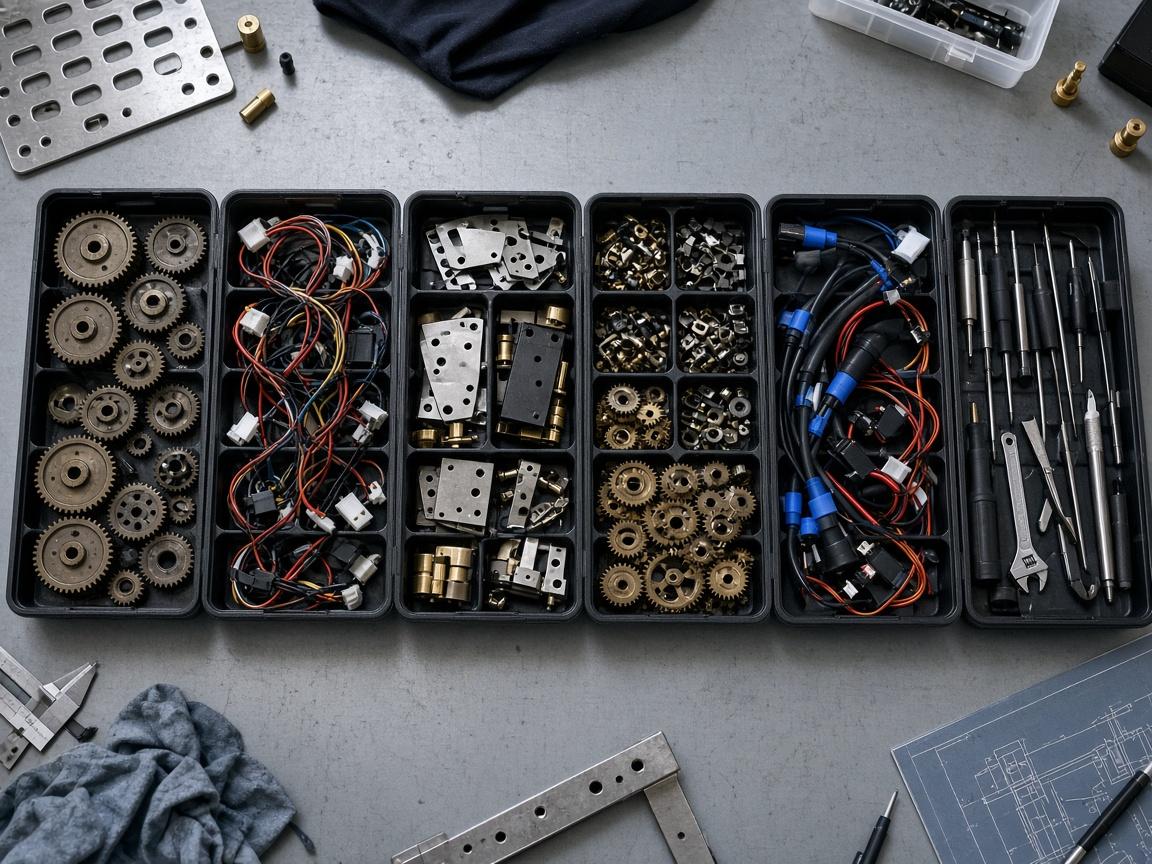
Six trays of parts lined up on a robotics bench. Stand-in photo.
Stand-in photo. Replace with a picture of the team’s work.

What happened

During the 2023–2024 FIRST LEGO League season, I was part of LEGO Legends, a robotics team where we built and programmed robots to complete different missions. Our robot had to complete as many missions as possible in just two and a half minutes. We had a lot to do and limited time to practice.

With six teammates working together, we needed a way to organize ourselves. We divided the robot missions into two groups based on where they started on the competition board. One group worked on missions starting from the left side. The other focused on the right. Within each group, we rotated jobs like coding, building attachments, testing, observing, and debugging.

The idea was simple: split up the work so we could make progress faster. But we weren’t building two different robots. We were building one robot that needed to complete all the missions together. Decisions in one group could affect the other. A new attachment might work well for one mission and make another harder. Changes to the robot’s design could affect how we programmed it. We had to make sure everyone understood how the different pieces fit together.

At first, I thought dividing up responsibilities would make teamwork straightforward. If everyone had their own tasks, wouldn’t everything just come together? Robotics showed me that dividing the work doesn’t automatically mean you’ve solved the coordination problem.

What I think now

I used to think more people working on different tasks automatically meant faster progress. A team only moves faster when everyone understands how their work connects to everyone else’s.

We focused on sharing ideas, testing the robot as a complete system, and rotating responsibilities so teammates understood more than just their assigned tasks. We also worked on reusable attachments that could complete multiple missions instead of creating completely separate solutions for everything.

If I led a similar project again, I’d make responsibilities clearer from the beginning. I’d make sure each group documented what it was building, how it worked, and what problems it had discovered. I would hand off smaller, independent tasks earlier, but keep decisions about the overall robot design and integration as shared team responsibilities. And I’d schedule more full-team testing before competition.

Six people don’t automatically make a project six times easier. Good teamwork isn’t just about dividing up the work. It’s about making sure everything comes together at the end.

Related project: Dividing a Robotics Problem Six Ways

Lesson

Six People, One Robotics Problem

Dividing a robotics project between six teammates sounded simple. But we learned that splitting up the work was only half the challenge.

Six trays of parts lined up on a robotics bench. Stand-in photo.

What happened

During the 2023–2024 FIRST LEGO League season, I was part of LEGO Legends, a robotics team where we built and programmed robots to complete different missions. Our robot had to complete as many missions as possible in just two and a half minutes. We had a lot to do and limited time to practice.

With six teammates working together, we needed a way to organize ourselves. We divided the robot missions into two groups based on where they started on the competition board. One group worked on missions starting from the left side. The other focused on the right. Within each group, we rotated jobs like coding, building attachments, testing, observing, and debugging.

The idea was simple: split up the work so we could make progress faster. But we weren’t building two different robots. We were building one robot that needed to complete all the missions together. Decisions in one group could affect the other. A new attachment might work well for one mission and make another harder. Changes to the robot’s design could affect how we programmed it. We had to make sure everyone understood how the different pieces fit together.

At first, I thought dividing up responsibilities would make teamwork straightforward. If everyone had their own tasks, wouldn’t everything just come together? Robotics showed me that dividing the work doesn’t automatically mean you’ve solved the coordination problem.

What I think now

I used to think more people working on different tasks automatically meant faster progress. A team only moves faster when everyone understands how their work connects to everyone else’s.

We focused on sharing ideas, testing the robot as a complete system, and rotating responsibilities so teammates understood more than just their assigned tasks. We also worked on reusable attachments that could complete multiple missions instead of creating completely separate solutions for everything.

If I led a similar project again, I’d make responsibilities clearer from the beginning. I’d make sure each group documented what it was building, how it worked, and what problems it had discovered. I would hand off smaller, independent tasks earlier, but keep decisions about the overall robot design and integration as shared team responsibilities. And I’d schedule more full-team testing before competition.

Six people don’t automatically make a project six times easier. Good teamwork isn’t just about dividing up the work. It’s about making sure everything comes together at the end.

Dividing a Robotics Problem Six Ways

Lesson

Six People, One Robotics Problem

Dividing a robotics project between six teammates sounded simple. But we learned that splitting up the work was only half the challenge.

Six trays of parts lined up on a robotics bench. Stand-in photo.

What happened

During the 2023–2024 FIRST LEGO League season, I was part of LEGO Legends, a robotics team where we built and programmed robots to complete different missions. Our robot had to complete as many missions as possible in just two and a half minutes. We had a lot to do and limited time to practice.

With six teammates working together, we needed a way to organize ourselves. We divided the robot missions into two groups based on where they started on the competition board. One group worked on missions starting from the left side. The other focused on the right. Within each group, we rotated jobs like coding, building attachments, testing, observing, and debugging.

The idea was simple: split up the work so we could make progress faster. But we weren’t building two different robots. We were building one robot that needed to complete all the missions together. Decisions in one group could affect the other. A new attachment might work well for one mission and make another harder. Changes to the robot’s design could affect how we programmed it. We had to make sure everyone understood how the different pieces fit together.

At first, I thought dividing up responsibilities would make teamwork straightforward. If everyone had their own tasks, wouldn’t everything just come together? Robotics showed me that dividing the work doesn’t automatically mean you’ve solved the coordination problem.

What I think now

I used to think more people working on different tasks automatically meant faster progress. A team only moves faster when everyone understands how their work connects to everyone else’s.

We focused on sharing ideas, testing the robot as a complete system, and rotating responsibilities so teammates understood more than just their assigned tasks. We also worked on reusable attachments that could complete multiple missions instead of creating completely separate solutions for everything.

If I led a similar project again, I’d make responsibilities clearer from the beginning. I’d make sure each group documented what it was building, how it worked, and what problems it had discovered. I would hand off smaller, independent tasks earlier, but keep decisions about the overall robot design and integration as shared team responsibilities. And I’d schedule more full-team testing before competition.

Six people don’t automatically make a project six times easier. Good teamwork isn’t just about dividing up the work. It’s about making sure everything comes together at the end.