Projects

Solar-Panel Innovation: Superpowered by the Sun

What if solar panels could follow the sun like sunflowers? My robotics team explored that idea, built different models, and learned why making something work in real life is much harder than coming up with the idea.

Why it mattered

During the 2022–2023 FIRST LEGO League season, our team, LEGO Legends #56120, was challenged to explore problems related to energy. We became interested in solar panels. Traditional fixed panels don’t always face the sun at the best angle throughout the day, so we wondered whether making them move could help them generate more electricity. We wanted to design a system that adjusted the panels’ position automatically as the sun moved. Our project became known as Superpowered by the Sun.

Context

When
2022–2023
Role
I helped research our innovation, improve the LEGO model, and prepare our presentation for the judges. One of my specific contributions was working with my teammate Krish on a piston-based model that could be mounted on a rooftop. I also helped explain our improvements during the competition presentation, including how we made our design more compact, sturdy, and realistic.
Constraints
We worked during the 2022–2023 FIRST LEGO League season, using LEGO components to model solar-panel movement, researching solar-tracking technology, and collecting feedback from experts. We had limited time before competitions. The model was mainly designed to demonstrate the concept. We had not built a full-size solar installation or proven exactly how much additional electricity our design could generate.
Collaborators

Krish, Dhruv, Parth, Anay, Matthew, Kavish

This project was developed by our LEGO Legends robotics team. We worked together on research, model design, testing, surveys, and competition presentations.

I worked with Krish on improvements to the piston-based rooftop model. We also received valuable feedback from renewable-energy experts, including professionals at Vestas.

making · experiment

First attempt

Our original idea was to create solar panels that could rotate using a gear-based system. Instead of staying in one position, the panels would change their angle to follow the sun throughout the day.

That gave us a starting point, and it sounded like a great solution. We still needed to understand how practical it would be.

What went wrong

At first, we were mainly focused on increasing the amount of sunlight reaching the panels. After researching the idea and talking with experts, including professionals at Vestas in Portland, we realized that energy output wasn’t the only thing that mattered.

We also needed to consider the cost of installing and maintaining moving equipment, whether it would work on rooftops, and how durable the system would be. A design could look great in a LEGO model but still be too expensive or complicated to use in the real world.

Judges and experts asked whether the moving parts would wear out, how much the design would cost, whether it could fit on a house roof, and whether our idea was different from technology already available. We also learned that we shouldn’t claim a design could generate two or three times more electricity without testing and measuring the results.

After that feedback, we explored pistons instead of relying only on gears. I worked with Krish on a piston-based rooftop model, while the team made the demonstration more compact, sturdy, and realistic on a LEGO house, and worked on automating the movement.

The biggest improvement wasn’t just changing the mechanical design. Instead of asking only, “How can we make solar panels move?” we started asking, “Would this actually be practical, affordable, and useful?”

How it changed

  1. Version 1

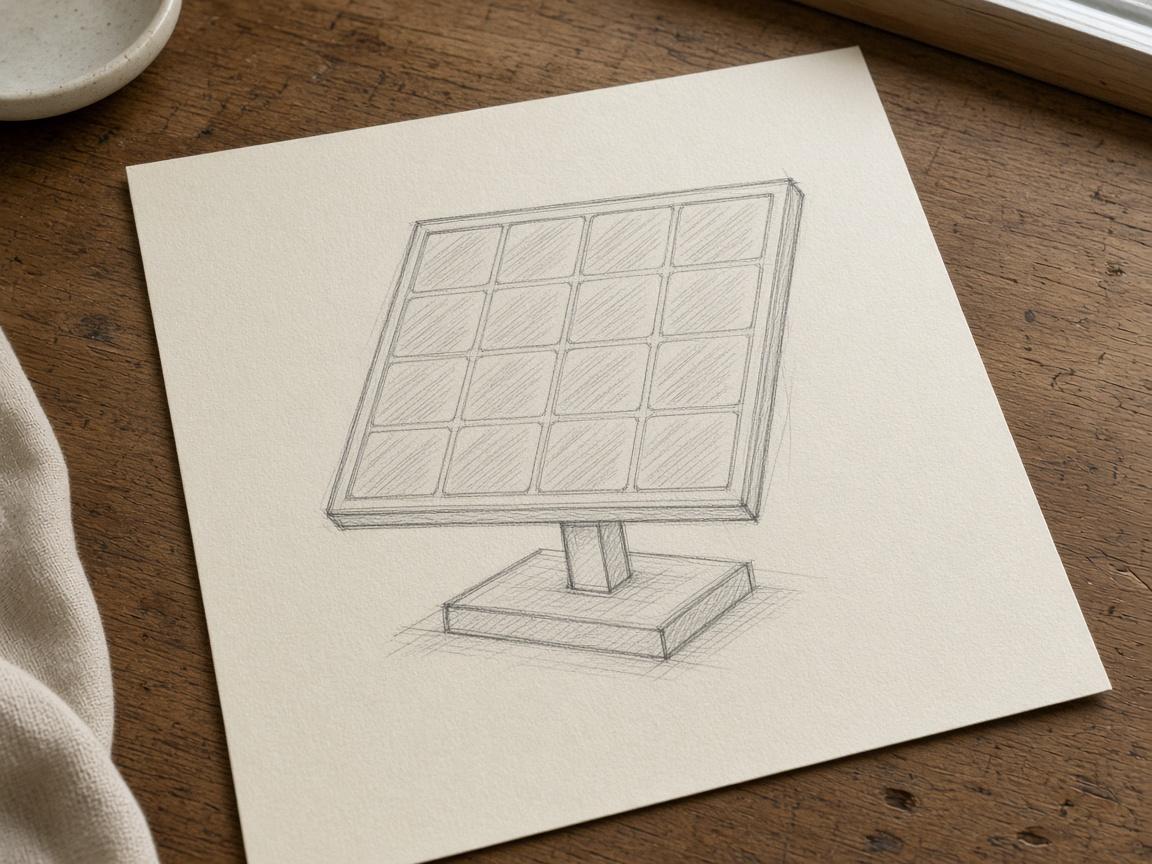
    Pencil sketch of a small solar panel on a desk. Sample photo.
    Sample photo. Replace with a real one.

    We started with a gear-based system so the panels could rotate and follow the sun.

  2. Version 2

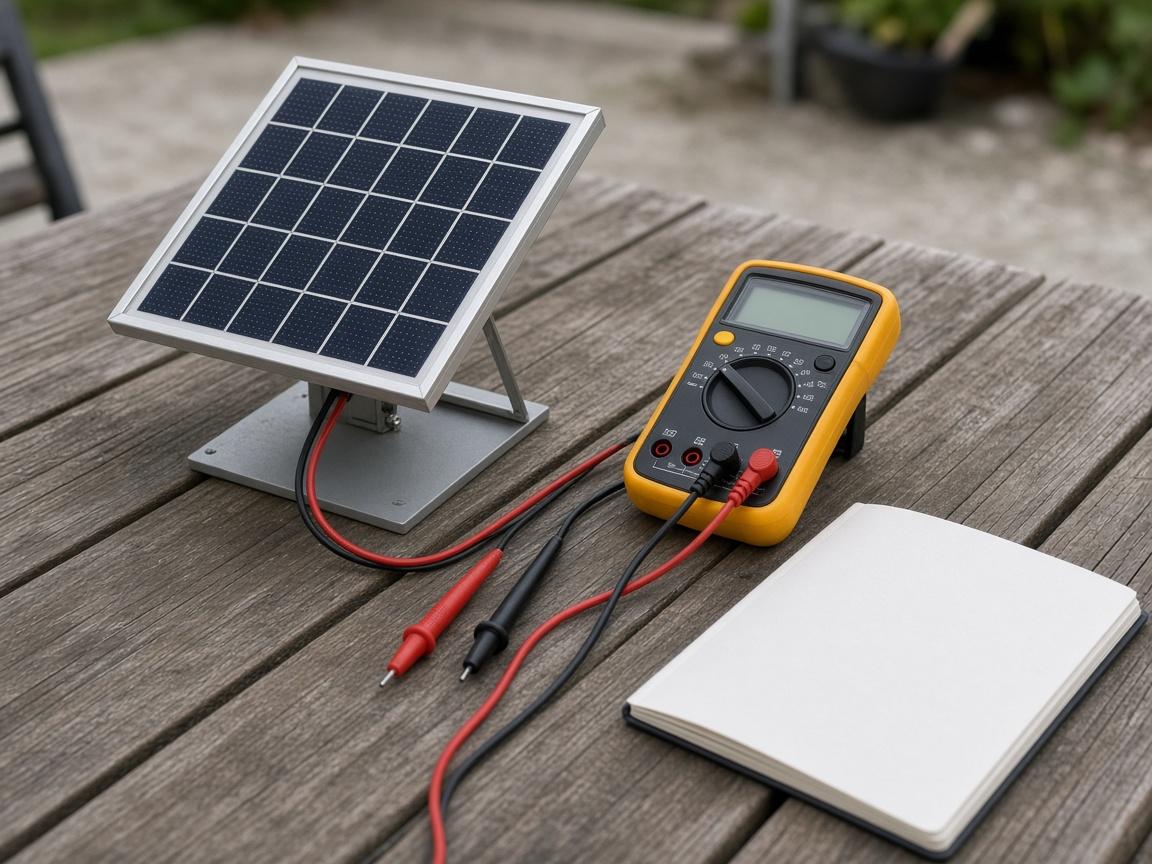
    A small solar panel being tested outdoors beside a notebook. Sample photo.
    Sample photo. Replace with a real one.

    Experts at Vestas in Portland challenged us on cost, durability, and rooftops, so we compared alternatives instead of assuming gears were best.

  3. Version 3

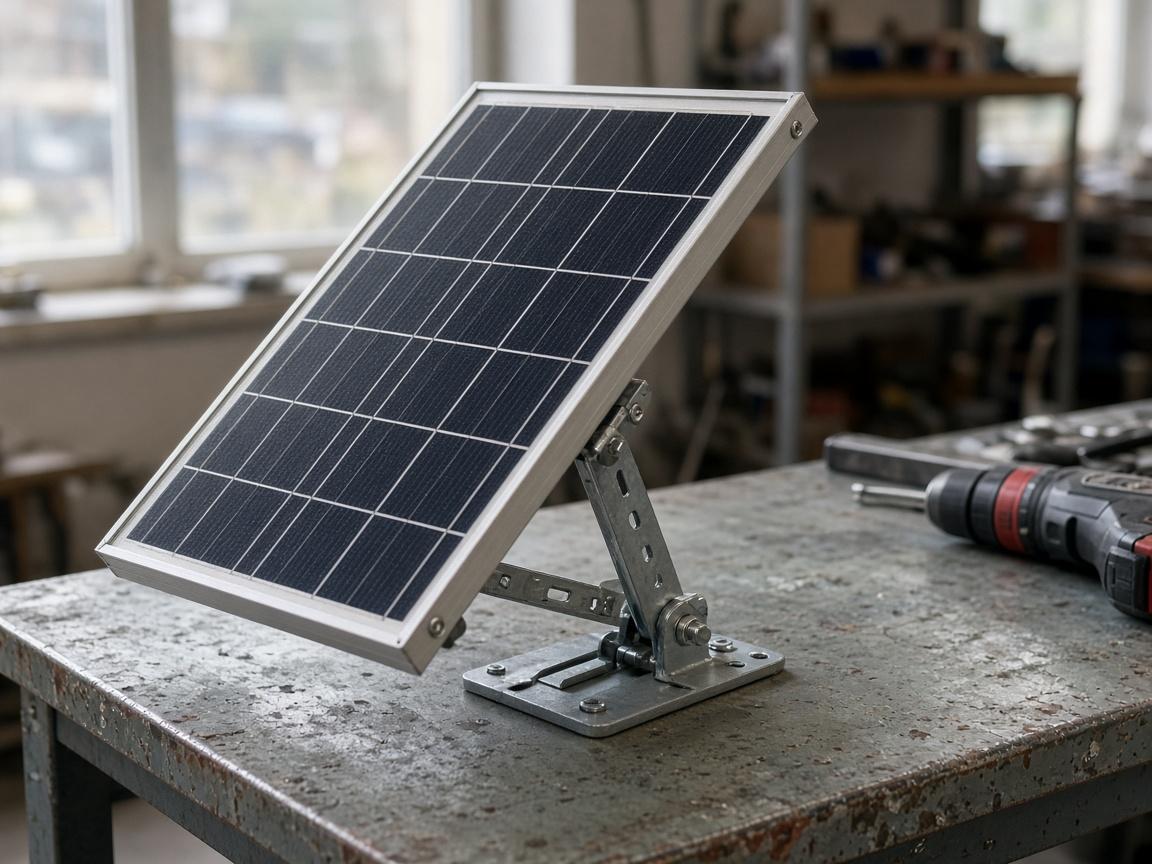
    A revised solar panel on a steeper bracket. Sample photo.
    Sample photo. Replace with a real one.

    We explored pistons, built a more compact rooftop model with Krish, and automated the movement on a LEGO house.

What changed my mind

What I thought

If we could make solar panels follow the sun, we would automatically have a better solution.

What I learned

A good idea isn’t enough. You also have to think about cost, reliability, maintenance, and whether people can actually use it.

Result

We presented Superpowered by the Sun at FIRST LEGO League competitions with our LEGO model, research, and a skit. The presentation showed how the solar-tracking concept worked and how we improved it after feedback.

We didn’t build a commercial solar-panel system. We built a concept model and improved it through research, experiments, and feedback. That was the point: engineers develop ideas through multiple versions instead of expecting the first design to be perfect.

Innovation isn’t always about inventing something completely new. Sometimes it’s about taking an existing idea, questioning its weaknesses, and figuring out how to make it better.

What I learned

  • Expert questions made us realize how much we hadn’t considered. The most useful feedback is often a question that shows you what you don’t know.
  • We started with gears, explored pistons, and kept improving the model. Sticking with an idea just because you spent time on it doesn’t make sense if you discover a better approach.
  • A good idea isn’t enough. You also have to think about cost, reliability, maintenance, and whether people can actually use it.

Next version

I’d like to build a smaller working prototype with real miniature solar panels, compare a fixed panel against a moving panel under similar conditions, and measure how much electricity each generates. Then I’d compare those results with the cost and power needed to move the panels. That was the question we never fully solved. If I started again, I’d also check whether similar technology already existed before choosing a design, and I’d test actual energy output much earlier instead of relying mainly on theoretical estimates.
Project

Solar-Panel Innovation: Superpowered by the Sun

What if solar panels could follow the sun like sunflowers? My robotics team explored that idea, built different models, and learned why making something work in real life is much harder than coming up with the idea.

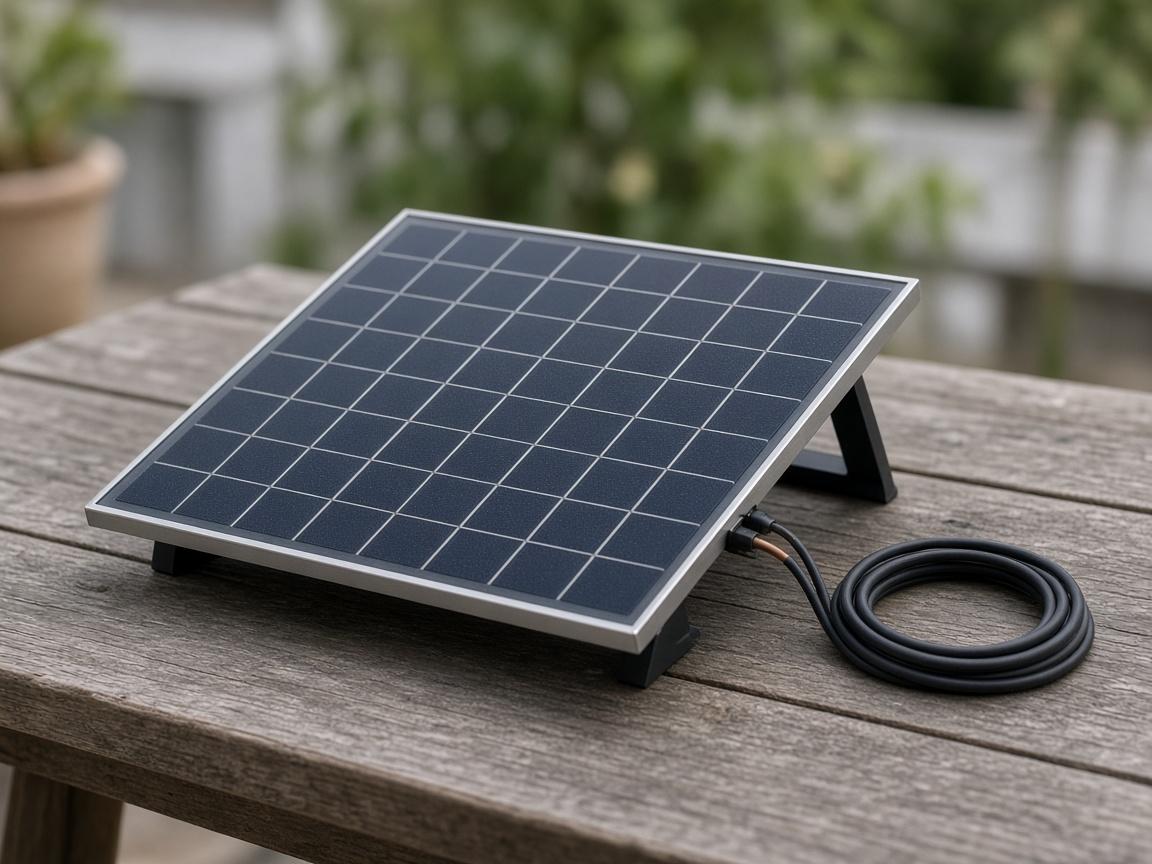
A small solar-panel prototype on a table outdoors. Stand-in photo.

During the 2022–2023 FIRST LEGO League season, our team, LEGO Legends #56120, was challenged to explore problems related to energy. We became interested in solar panels. Traditional fixed panels don’t always face the sun at the best angle throughout the day, so we wondered whether making them move could help them generate more electricity. We wanted to design a system that adjusted the panels’ position automatically as the sun moved. Our project became known as Superpowered by the Sun.

  1. Pencil sketch of a small solar panel on a desk. Sample photo.Version 1

    We started with a gear-based system so the panels could rotate and follow the sun.

  2. A small solar panel being tested outdoors beside a notebook. Sample photo.Version 2

    Experts at Vestas in Portland challenged us on cost, durability, and rooftops, so we compared alternatives instead of assuming gears were best.

  3. A revised solar panel on a steeper bracket. Sample photo.Version 3

    We explored pistons, built a more compact rooftop model with Krish, and automated the movement on a LEGO house.

First attempt

Our original idea was to create solar panels that could rotate using a gear-based system. Instead of staying in one position, the panels would change their angle to follow the sun throughout the day.

That gave us a starting point, and it sounded like a great solution. We still needed to understand how practical it would be.

What went wrong

At first, we were mainly focused on increasing the amount of sunlight reaching the panels. After researching the idea and talking with experts, including professionals at Vestas in Portland, we realized that energy output wasn’t the only thing that mattered.

We also needed to consider the cost of installing and maintaining moving equipment, whether it would work on rooftops, and how durable the system would be. A design could look great in a LEGO model but still be too expensive or complicated to use in the real world.

Judges and experts asked whether the moving parts would wear out, how much the design would cost, whether it could fit on a house roof, and whether our idea was different from technology already available. We also learned that we shouldn’t claim a design could generate two or three times more electricity without testing and measuring the results.

After that feedback, we explored pistons instead of relying only on gears. I worked with Krish on a piston-based rooftop model, while the team made the demonstration more compact, sturdy, and realistic on a LEGO house, and worked on automating the movement.

The biggest improvement wasn’t just changing the mechanical design. Instead of asking only, “How can we make solar panels move?” we started asking, “Would this actually be practical, affordable, and useful?”

Result

We presented Superpowered by the Sun at FIRST LEGO League competitions with our LEGO model, research, and a skit. The presentation showed how the solar-tracking concept worked and how we improved it after feedback.

We didn’t build a commercial solar-panel system. We built a concept model and improved it through research, experiments, and feedback. That was the point: engineers develop ideas through multiple versions instead of expecting the first design to be perfect.

Innovation isn’t always about inventing something completely new. Sometimes it’s about taking an existing idea, questioning its weaknesses, and figuring out how to make it better.

Project

Solar-Panel Innovation: Superpowered by the Sun

What if solar panels could follow the sun like sunflowers? My robotics team explored that idea, built different models, and learned why making something work in real life is much harder than coming up with the idea.

A small solar-panel prototype on a table outdoors. Stand-in photo.
  1. Version 1Pencil sketch of a small solar panel on a desk. Sample photo.

    We started with a gear-based system so the panels could rotate and follow the sun.

  2. Version 2A small solar panel being tested outdoors beside a notebook. Sample photo.

    Experts at Vestas in Portland challenged us on cost, durability, and rooftops, so we compared alternatives instead of assuming gears were best.

  3. Version 3A revised solar panel on a steeper bracket. Sample photo.

    We explored pistons, built a more compact rooftop model with Krish, and automated the movement on a LEGO house.

First attempt

Our original idea was to create solar panels that could rotate using a gear-based system. Instead of staying in one position, the panels would change their angle to follow the sun throughout the day.

That gave us a starting point, and it sounded like a great solution. We still needed to understand how practical it would be.

What went wrong

At first, we were mainly focused on increasing the amount of sunlight reaching the panels. After researching the idea and talking with experts, including professionals at Vestas in Portland, we realized that energy output wasn’t the only thing that mattered.

We also needed to consider the cost of installing and maintaining moving equipment, whether it would work on rooftops, and how durable the system would be. A design could look great in a LEGO model but still be too expensive or complicated to use in the real world.

Judges and experts asked whether the moving parts would wear out, how much the design would cost, whether it could fit on a house roof, and whether our idea was different from technology already available. We also learned that we shouldn’t claim a design could generate two or three times more electricity without testing and measuring the results.

After that feedback, we explored pistons instead of relying only on gears. I worked with Krish on a piston-based rooftop model, while the team made the demonstration more compact, sturdy, and realistic on a LEGO house, and worked on automating the movement.

The biggest improvement wasn’t just changing the mechanical design. Instead of asking only, “How can we make solar panels move?” we started asking, “Would this actually be practical, affordable, and useful?”

Result

We presented Superpowered by the Sun at FIRST LEGO League competitions with our LEGO model, research, and a skit. The presentation showed how the solar-tracking concept worked and how we improved it after feedback.

We didn’t build a commercial solar-panel system. We built a concept model and improved it through research, experiments, and feedback. That was the point: engineers develop ideas through multiple versions instead of expecting the first design to be perfect.

Innovation isn’t always about inventing something completely new. Sometimes it’s about taking an existing idea, questioning its weaknesses, and figuring out how to make it better.

Project

Solar-Panel Innovation: Superpowered by the Sun

What if solar panels could follow the sun like sunflowers? My robotics team explored that idea, built different models, and learned why making something work in real life is much harder than coming up with the idea.

  • Pencil sketch of a small solar panel on a desk. Sample photo.

    Version 1

    We started with a gear-based system so the panels could rotate and follow the sun.

  • A small solar panel being tested outdoors beside a notebook. Sample photo.

    Version 2

    Experts at Vestas in Portland challenged us on cost, durability, and rooftops, so we compared alternatives instead of assuming gears were best.

  • A revised solar panel on a steeper bracket. Sample photo.

    Version 3

    We explored pistons, built a more compact rooftop model with Krish, and automated the movement on a LEGO house.

First attempt

Our original idea was to create solar panels that could rotate using a gear-based system. Instead of staying in one position, the panels would change their angle to follow the sun throughout the day.

That gave us a starting point, and it sounded like a great solution. We still needed to understand how practical it would be.

What went wrong

At first, we were mainly focused on increasing the amount of sunlight reaching the panels. After researching the idea and talking with experts, including professionals at Vestas in Portland, we realized that energy output wasn’t the only thing that mattered.

We also needed to consider the cost of installing and maintaining moving equipment, whether it would work on rooftops, and how durable the system would be. A design could look great in a LEGO model but still be too expensive or complicated to use in the real world.

Judges and experts asked whether the moving parts would wear out, how much the design would cost, whether it could fit on a house roof, and whether our idea was different from technology already available. We also learned that we shouldn’t claim a design could generate two or three times more electricity without testing and measuring the results.

After that feedback, we explored pistons instead of relying only on gears. I worked with Krish on a piston-based rooftop model, while the team made the demonstration more compact, sturdy, and realistic on a LEGO house, and worked on automating the movement.

The biggest improvement wasn’t just changing the mechanical design. Instead of asking only, “How can we make solar panels move?” we started asking, “Would this actually be practical, affordable, and useful?”

Result

We presented Superpowered by the Sun at FIRST LEGO League competitions with our LEGO model, research, and a skit. The presentation showed how the solar-tracking concept worked and how we improved it after feedback.

We didn’t build a commercial solar-panel system. We built a concept model and improved it through research, experiments, and feedback. That was the point: engineers develop ideas through multiple versions instead of expecting the first design to be perfect.

Innovation isn’t always about inventing something completely new. Sometimes it’s about taking an existing idea, questioning its weaknesses, and figuring out how to make it better.