Projects

The Model That Had to Be Reinforced

A virtual-reality chess model, a wooden side table, and a crash at the venue that showed why a working practice model still isn’t ready for competition.

Why it mattered

During my FIRST LEGO League robotics journey, our team built a virtual-reality chess model for competition. We spent weeks designing and improving it, but a few days before the competition, we realized the structure wasn’t strong enough to survive transportation.

Context

When
FIRST LEGO League
Role
I helped the team design, test, and improve our VR chess model, and I worked with teammates to reinforce it when we realized it might not survive the trip.
Constraints
We had a competition deadline, a model that had to travel, and only a few days to make it strong enough before we left for the venue.
Collaborators

My FIRST LEGO League robotics teammates

This was a team project. We worked together to design, build, and reinforce our virtual-reality chess model. When it fell during transportation at the competition venue, we worked together to reassemble it.

robotics · iteration

First attempt

We spent weeks designing and improving a virtual-reality chess model for FIRST LEGO League. It worked in practice. What we had not thought through yet was how to get it to the venue in one piece.

What went wrong

A few days before competition, we realized the model was unstable. We were worried it might fall apart while we moved it.

Instead of rebuilding it, we found an old wooden side table and used it as a sturdy base to reinforce the entire model.

How it changed

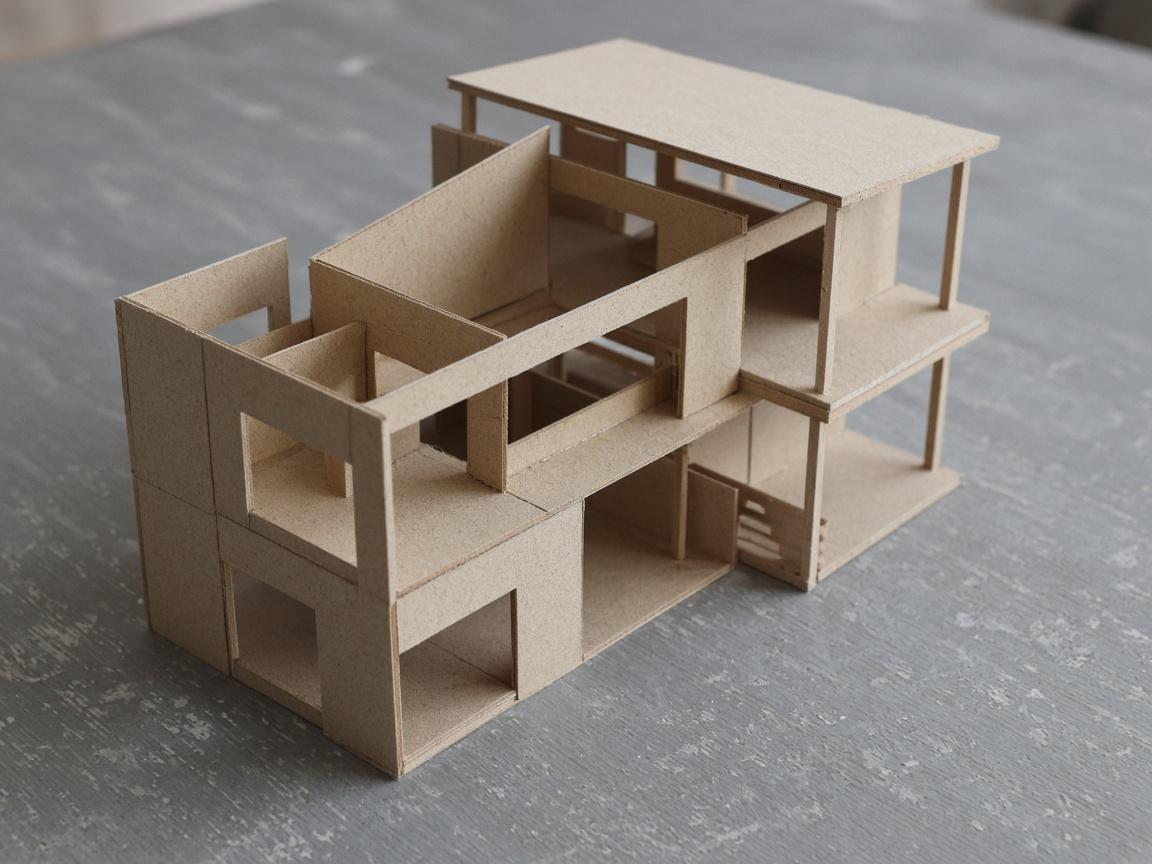
  1. Version 1

    A fragile balsa and cardboard model on a work table. Stand-in photo.

    We spent weeks designing and improving a VR chess model that worked in practice, but the structure wasn’t strong enough to travel.

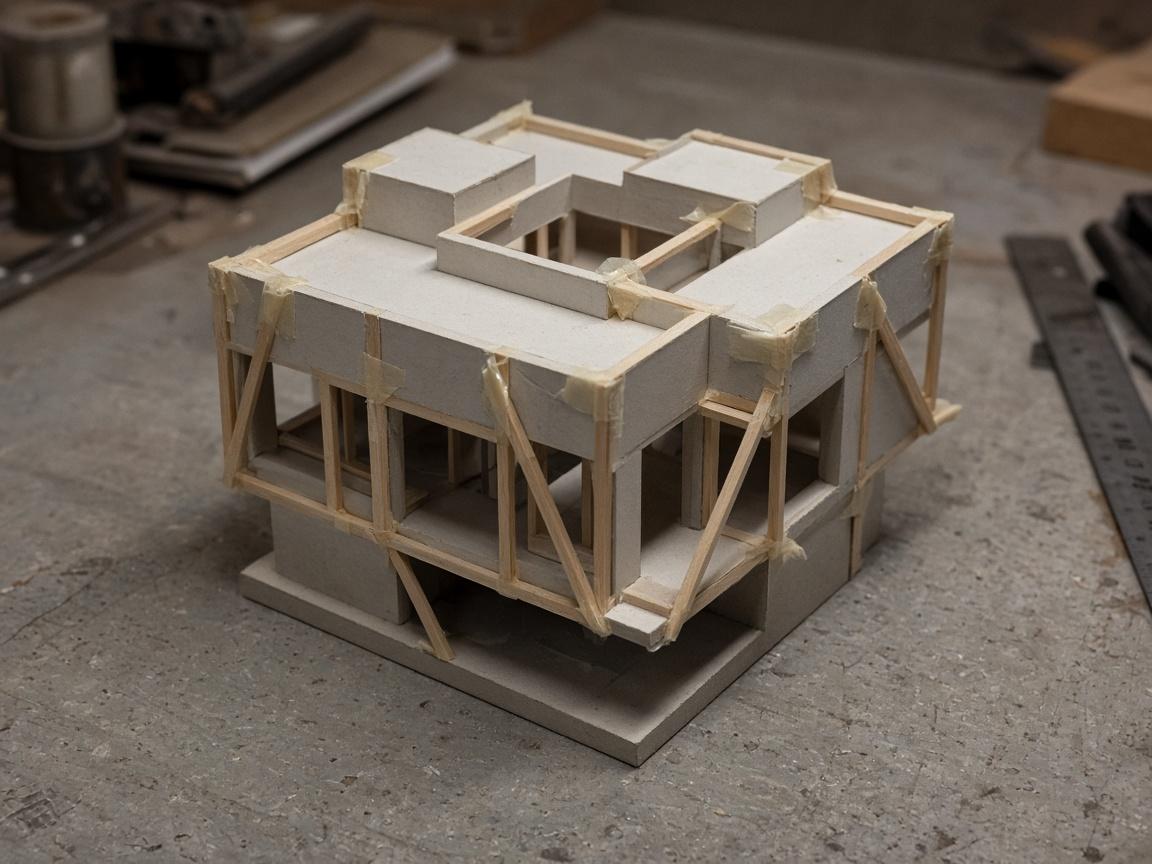
  2. Version 2

    The same kind of model braced with extra wooden ribs. Stand-in photo.

    We used an old wooden side table as a base to reinforce the whole model.

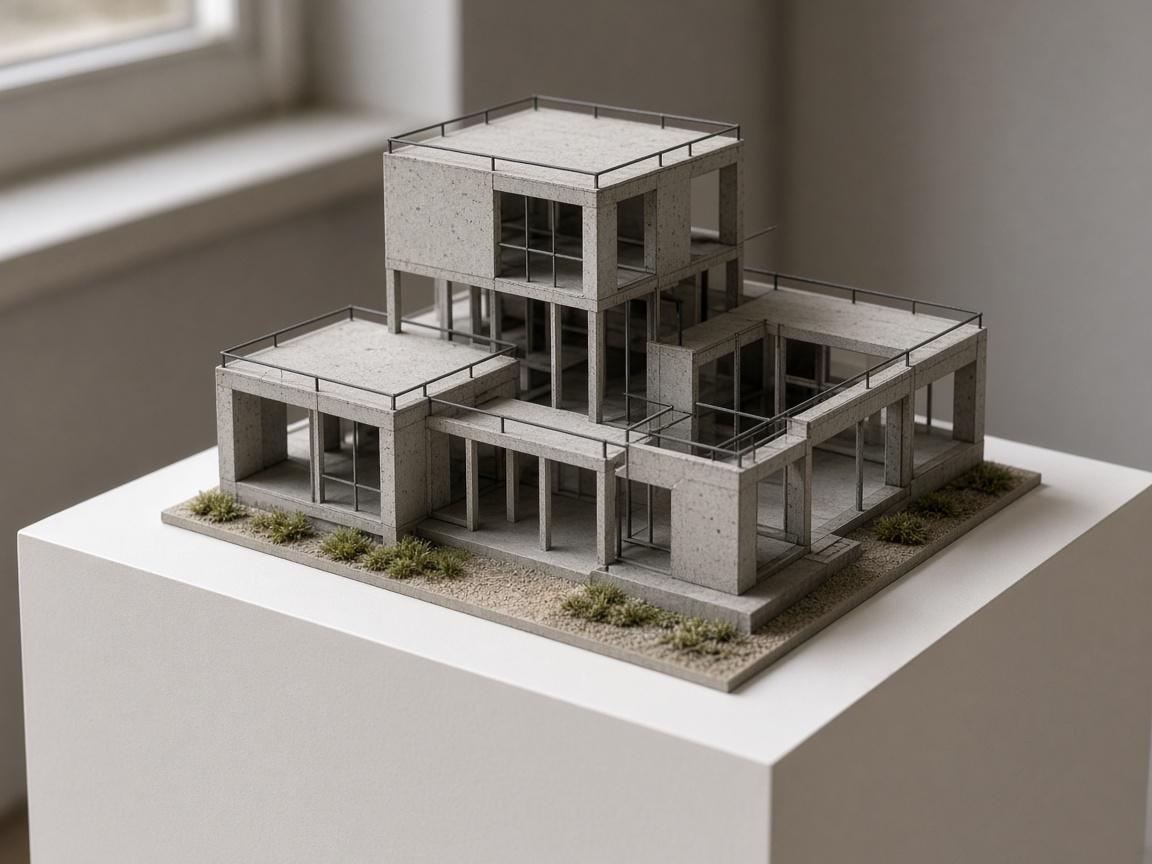
  3. Version 3

    A finished reinforced model on a white plinth. Stand-in photo.

    At the venue the model slipped off a trolley and crashed. The wooden base saved most of it, and we reassembled the rest for judging.

What changed my mind

What I thought

If something worked during practice, it was ready for competition.

What I learned

A good design needs to survive the real world too. Sometimes the most important improvement isn’t adding a new feature. It’s making what you’ve already built stronger and more reliable.

Result

When we arrived at the venue, the model slipped off the trolley and crashed onto the ground. For a moment, it looked like all our work might be ruined.

Because we had reinforced it with the wooden base, most of the structure survived. We quickly reassembled the damaged parts and got the model ready for judging.

What I learned

  • I used to think that if something worked during practice, it was ready for competition. Now I know that a good design needs to survive the real world too.
  • Sometimes the most important improvement isn’t adding a new feature. It’s making what you’ve already built stronger and more reliable.

Related lessons

Project

The Model That Had to Be Reinforced

A virtual-reality chess model, a wooden side table, and a crash at the venue that showed why a working practice model still isn’t ready for competition.

A small reinforced architectural model on a white plinth. Stand-in photo.

During my FIRST LEGO League robotics journey, our team built a virtual-reality chess model for competition. We spent weeks designing and improving it, but a few days before the competition, we realized the structure wasn’t strong enough to survive transportation.

  1. A fragile balsa and cardboard model on a work table. Stand-in photo.Version 1

    We spent weeks designing and improving a VR chess model that worked in practice, but the structure wasn’t strong enough to travel.

  2. The same kind of model braced with extra wooden ribs. Stand-in photo.Version 2

    We used an old wooden side table as a base to reinforce the whole model.

  3. A finished reinforced model on a white plinth. Stand-in photo.Version 3

    At the venue the model slipped off a trolley and crashed. The wooden base saved most of it, and we reassembled the rest for judging.

First attempt

We spent weeks designing and improving a virtual-reality chess model for FIRST LEGO League. It worked in practice. What we had not thought through yet was how to get it to the venue in one piece.

What went wrong

A few days before competition, we realized the model was unstable. We were worried it might fall apart while we moved it.

Instead of rebuilding it, we found an old wooden side table and used it as a sturdy base to reinforce the entire model.

Result

When we arrived at the venue, the model slipped off the trolley and crashed onto the ground. For a moment, it looked like all our work might be ruined.

Because we had reinforced it with the wooden base, most of the structure survived. We quickly reassembled the damaged parts and got the model ready for judging.

Project

The Model That Had to Be Reinforced

A virtual-reality chess model, a wooden side table, and a crash at the venue that showed why a working practice model still isn’t ready for competition.

A small reinforced architectural model on a white plinth. Stand-in photo.
  1. Version 1A fragile balsa and cardboard model on a work table. Stand-in photo.

    We spent weeks designing and improving a VR chess model that worked in practice, but the structure wasn’t strong enough to travel.

  2. Version 2The same kind of model braced with extra wooden ribs. Stand-in photo.

    We used an old wooden side table as a base to reinforce the whole model.

  3. Version 3A finished reinforced model on a white plinth. Stand-in photo.

    At the venue the model slipped off a trolley and crashed. The wooden base saved most of it, and we reassembled the rest for judging.

First attempt

We spent weeks designing and improving a virtual-reality chess model for FIRST LEGO League. It worked in practice. What we had not thought through yet was how to get it to the venue in one piece.

What went wrong

A few days before competition, we realized the model was unstable. We were worried it might fall apart while we moved it.

Instead of rebuilding it, we found an old wooden side table and used it as a sturdy base to reinforce the entire model.

Result

When we arrived at the venue, the model slipped off the trolley and crashed onto the ground. For a moment, it looked like all our work might be ruined.

Because we had reinforced it with the wooden base, most of the structure survived. We quickly reassembled the damaged parts and got the model ready for judging.

Project

The Model That Had to Be Reinforced

A virtual-reality chess model, a wooden side table, and a crash at the venue that showed why a working practice model still isn’t ready for competition.

  • A fragile balsa and cardboard model on a work table. Stand-in photo.

    Version 1

    We spent weeks designing and improving a VR chess model that worked in practice, but the structure wasn’t strong enough to travel.

  • The same kind of model braced with extra wooden ribs. Stand-in photo.

    Version 2

    We used an old wooden side table as a base to reinforce the whole model.

  • A finished reinforced model on a white plinth. Stand-in photo.

    Version 3

    At the venue the model slipped off a trolley and crashed. The wooden base saved most of it, and we reassembled the rest for judging.

First attempt

We spent weeks designing and improving a virtual-reality chess model for FIRST LEGO League. It worked in practice. What we had not thought through yet was how to get it to the venue in one piece.

What went wrong

A few days before competition, we realized the model was unstable. We were worried it might fall apart while we moved it.

Instead of rebuilding it, we found an old wooden side table and used it as a sturdy base to reinforce the entire model.

Result

When we arrived at the venue, the model slipped off the trolley and crashed onto the ground. For a moment, it looked like all our work might be ruined.

Because we had reinforced it with the wooden base, most of the structure survived. We quickly reassembled the damaged parts and got the model ready for judging.